IBM Selected Work

Project Overview
Role: Senior Product Deisgner
Team: Cross functional with PM, engineering, 1 UX research, 1 Design Director, 1 Senior Designer
Timeline: Multiple quarters of research, design iteration, and rollout
Platform: Enterprise AI Services used by IBM Consulting practitioners worldwide
View more about IBM Consulting Advantage here.
Project Summary
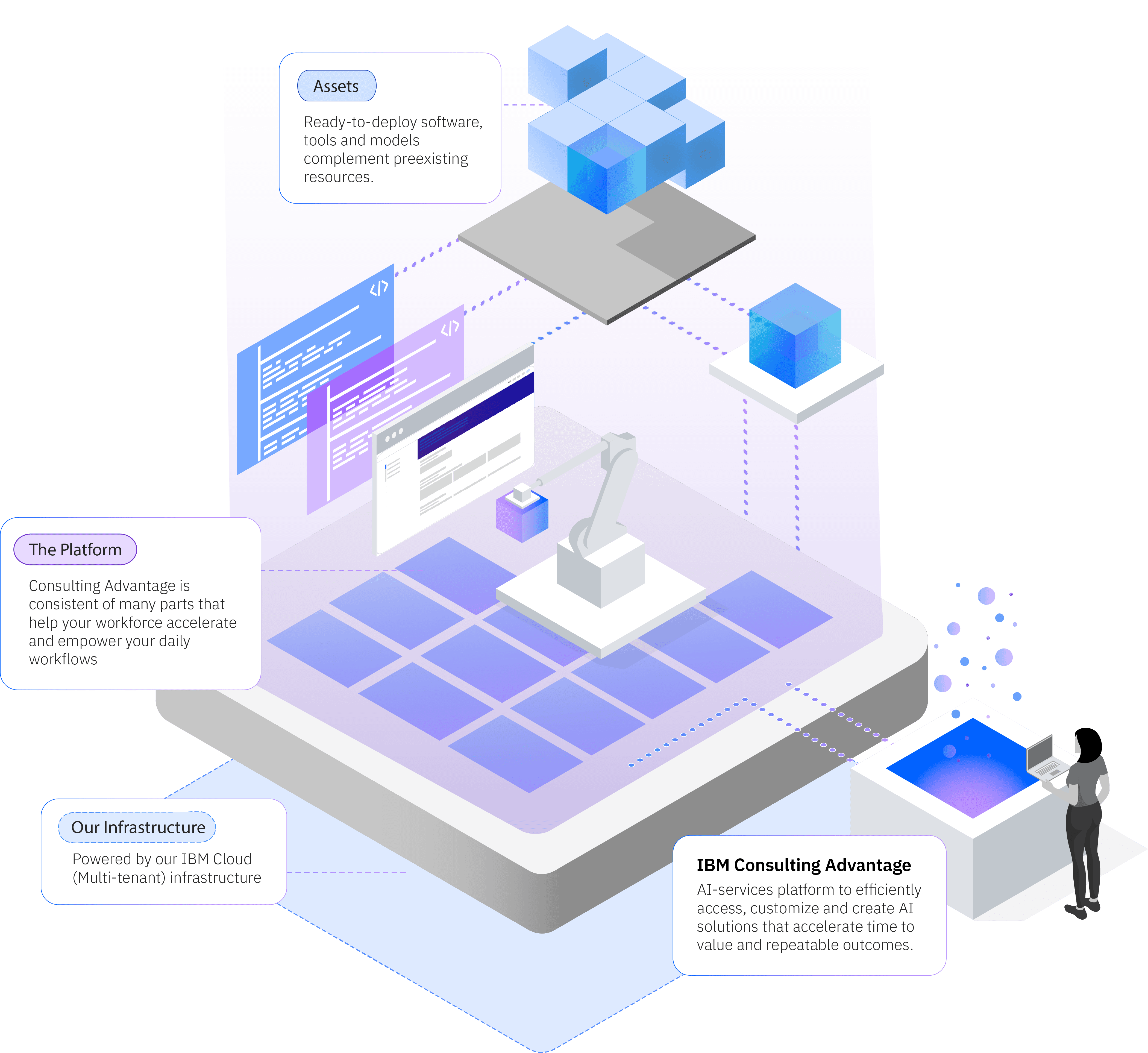
Advantage is IBM’s AI Services Platform built to accelerate cloud adoption through a library of AI-assisted agents and applications. I was brought in to transform a fragmented, complex enterprise experience (one without designer involvement for 5+ years) into an intuitive and scalable product that enabled consultants of all levels to adopt and leverage AI with confidence.
Figure 1: One of the features we rolled out was our reasoning and thinking abilities during deep research. Users are now able to see a more concise stream of consciousness and the thought process that the model is able to take while answering.


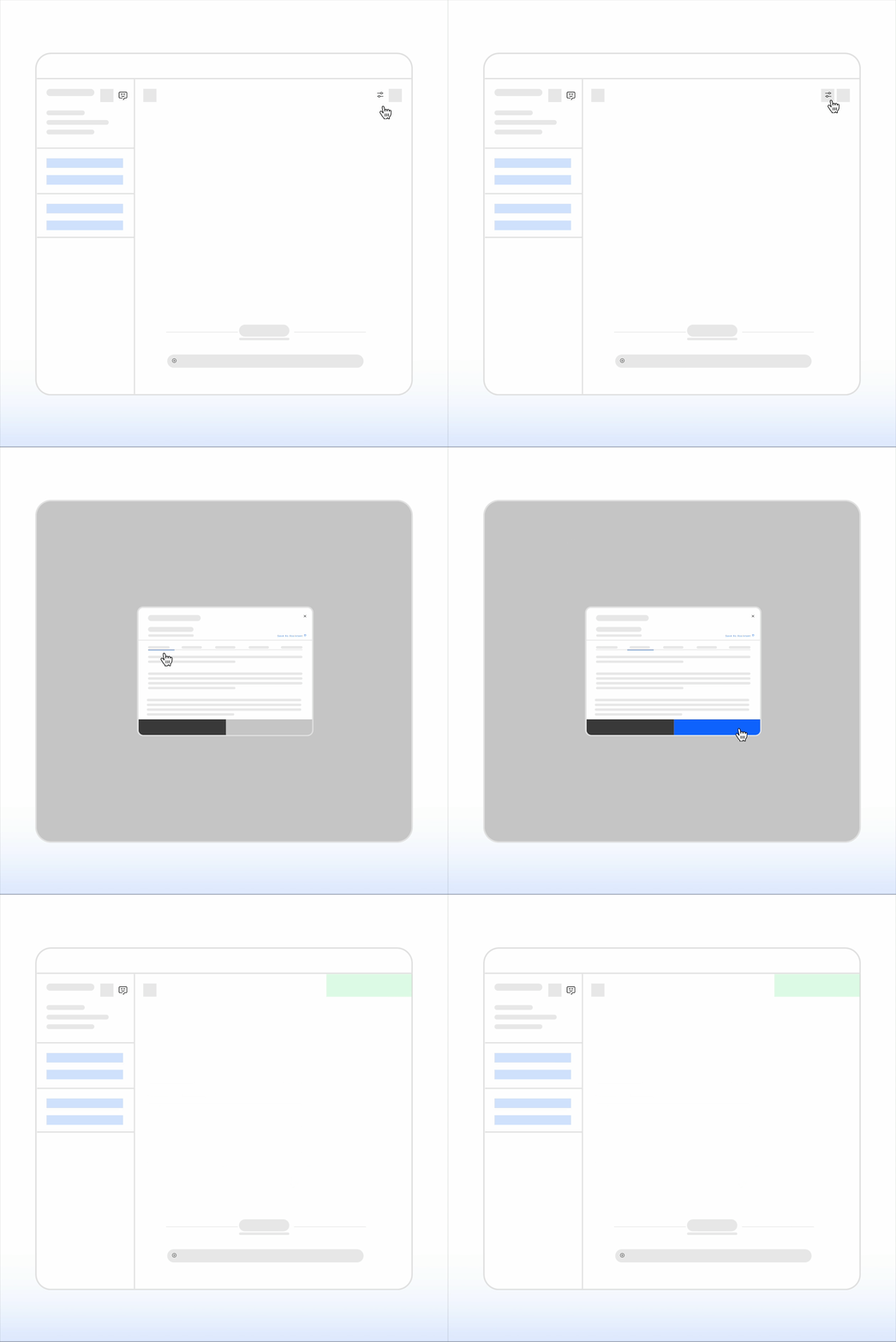
Figure 2: created enablement gifs to help enable our users to understand how to navigate through some of the new features we rolled out.
Problem
Consultants faced:
Cognitive overload due to inconsistent and complex AI capabilities
Unclear workflows for discovering and using AI tools effectively
Fragmented UI/UX across models, agents, and assistants
Strategy & Process
Conducted User Research across IBM
Consulting users across seniority levels
Crossfunctional Collaboration across stakeholders
all the way from consultants, SVPs, Partners
and the head of all IBM Consulting
End to end Design to Delivery with
a team all across the globe
Rather than starting with UI, we began by reframing the ambiguity around “AI features” into user centered goals:
What decisions do consultants need to make?
Where do they get stuck?
What outcomes do they need to achieve?
Research, Insight & Prioritization
We conducted:
25+ hours of user interviews across global seniority levels
Workflow mapping with business partners
Competitive and trend analysis of AI assisted desktop experiences
Key insight:
Users lacked clarity and trust in how AI outputs fit into their daily consulting workflows.
This insight directly influenced prioritization: We focused on transparency and interpretability features, not just raw output and automation.
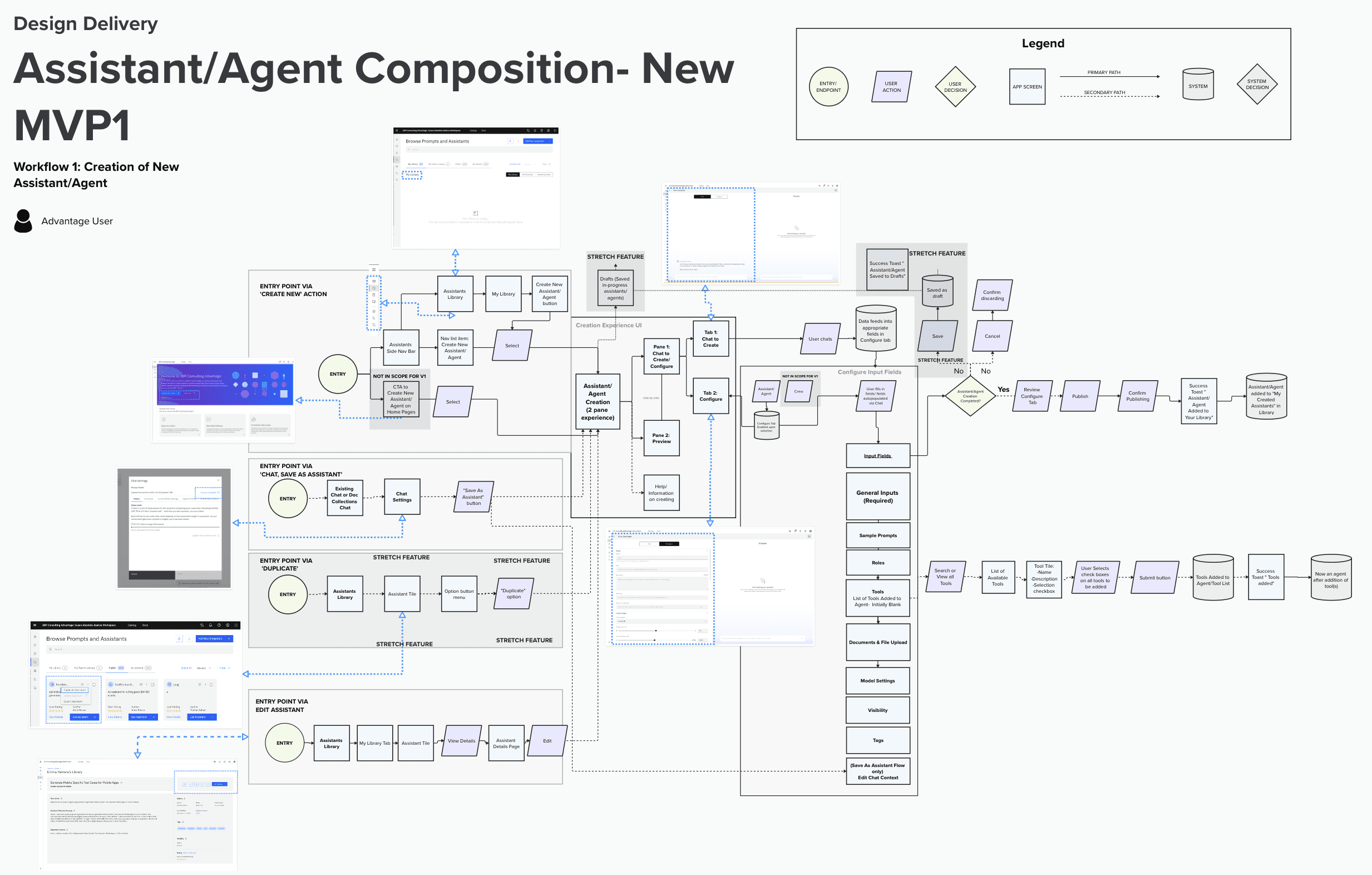
Figure 3: To align technical requirements with user needs, we map user stories into workflows. This allows us to validate with stakeholders early, before moving into low to high fidelity designs.

Figure 4: A Mural board capturing insights from 9 global IBM Consulting users across different seniority levels. We tested a new feature concept, gathering feedback to refine the design. Based on these sessions, we made another round of iterations before handing it off to development.
Solutions
Transparent Model Reasoning Interfaces
Instead of opaque AI outputs, we showed reasoning steps to enhance user trust and decision quality.
Unified Chat Experience
Reorganized previously disjointed chat flows into a multimodal experience that:
Reduced cognitive friction
Simplified model exploration and switching
Improved usability
This directly responded to user fears of inconsistent AI behavior.
AI Enablement & Engagement Features
Enabled team leads to monitor usage and performance, supporting data driven adoption decisions and better internal alignment.
AI Enablement & Engagement Features
Designed onboarding and guidance patterns to help users with different AI literacy levels which are critical at enterprise scale.
Impact
Designed experiences that directly support adoption, usability, and strategic decision-making across a global enterprise workforce.
Design System Governance: Upheld and expanded the IBM Design System within the Advantage AI platform, ensuring consistency while evolving the system to support new initiatives.
Cross Functional Collaboration: Partnered with PMs and designers to translate requirements into UI experiences that became core components of the platform.
Pattern & System Governance: Maintained and updated the design team’s patterns and systems library quarterly, aligning the team on standards and driving cohesive implementation.
Engineering Alignment: Delivered detailed specs for new custom UI patterns, enabling seamless integration across multiple platforms and workflows.
Design System Alignment: Evolved platform UI to align with the Carbon Design System and AI Essentials Kit, enhancing brand consistency and user confidence.
View IBM's Design Language here.

While working on Advantage, I developed new features now integrated across the platform:
Strong Brand Identity: Designed logos and a cohesive visual identity for the platform, applications, agents, and assistants, strengthening recognition and trust across IBM.
AI Enablement and Engagement: Developed experiences that guided users in adopting and integrating AI technologies seamlessly into their workflows.
Reasoning Models: Built features that made model reasoning transparent, aligning with industry standards and fostering trust in AI outputs.
Team Analytics Page: Designed and launched a dashboard for team owners to monitor activity, model and agent usage, and performance insights, improving visibility and decision making.
Agent Transparency: Created an interactive chat experience that surfaced model reasoning steps and sources, increasing transparency and user understanding of AI processes.
Seamless Chat Experience: Streamlined fragmented chat flows into a cohesive multi model experience, simplifying tool discovery and improving usability.
Next Steps and Challenges
Our team's goal is to continuously improve our AI powered platform so that it will continue to be a leading example in the consulting world. While navigating an ever changing landscape is challenging, we stay grounded in a shared goal: making AI accessible to IBMers and clients worldwide in a safe, ethical, and impactful way.
Susan Aboelela-DaSilva
Senior Product Design & Research Lead
Eileen Lowry
Vice President, Product Management, IBM Consulting
Deep Dive of Work
Want to know more about the specific screens that I did within each workflow? Please reach out if you have further questions, I'd be happy to chat and show my work in a 1:1 call.
IBM Consulting Advantage: the process of creating icons and branding
Day to day workflows managing designs between our 4 teams and 4 different Product Managers across: Advantage, Assistants and ScribeFlow work streams
Specific Features (ie: Deep research and reasoning, insert multi-models in chat, our enablement piece, etc)
Our Team
Karen Wong - Senior User Experience Designer
Susan Aboelela-DaSilva - Lead UX Researcher & Product Designer
Emma Herrera - Director of Product Design